
Sep 12, 2026News & Insights
Beautyworld Middle East 2026: Hair Oil & Serum Sourcing Checklist for GCC Distributors
A Beautyworld Middle East 2026 checklist for GCC distributors comparing scalp oils, finishing serums, packaging, testing, claims, channel fit and MOQ.
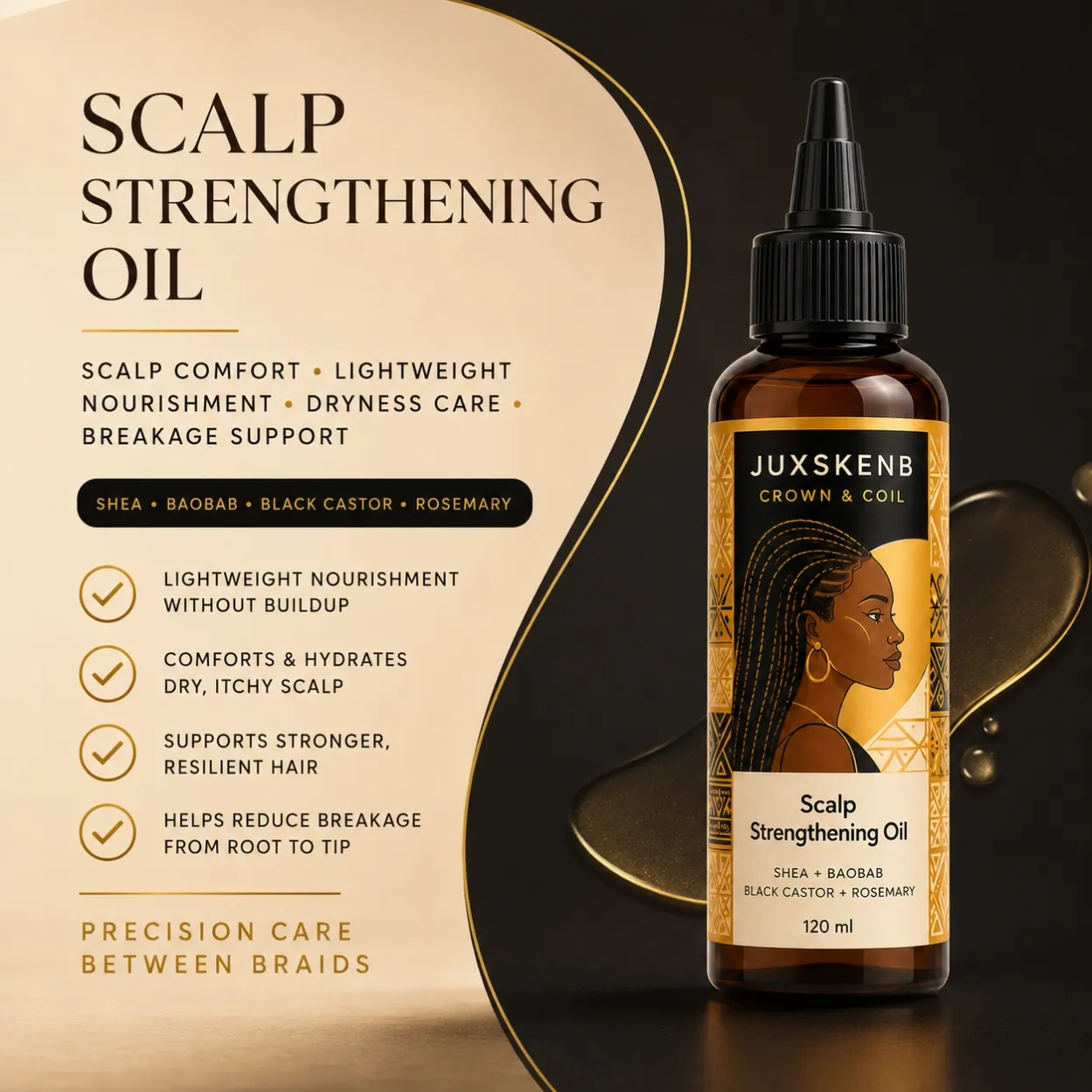
Beautyworld Middle East returns to Dubai on 6–8 October 2026. For GCC distributors, the event is a useful place to compare hair oils and serums, but collecting attractive samples is not enough. The goal is to leave each supplier meeting with comparable information about product job, texture, packaging, claims, documentation and commercial route.
WHY HAIR OIL NEEDS A CLEAR PRODUCT JOB
The hair-oil category includes very different products: scalp oils, pre-wash oils, lightweight finishing serums, heat-protection oils and richer treatments for dry or textured hair. Marketplace assortments currently show continued interest in rosemary, castor, argan, Batana and bond-care oil stories, but these concepts should not be treated as interchangeable.
Before the show, decide which customer problem and channel the SKU should serve. A salon finishing oil needs fast spread, shine and controlled dosage. A scalp oil needs precise application and clear wash-out guidance. A textured-hair treatment may accept a richer feel than a fine-hair retail serum.
BRING ONE COMPARISON SHEET
Ask every supplier to complete the same comparison fields: product type, target hair type, recommended dose, use stage, texture, fragrance, pack size, applicator, expected MOQ, lead time and available documents. Without one format, a distributor can easily compare a premium sample against a different product category or different level of customization.
Also record whether the sample is a stable existing formula or a custom development. That distinction affects timing, cost, testing and the likelihood that bulk production will match the first sample.
TEST TEXTURE ON THE TARGET HAIR TYPE
A clear or golden oil may look attractive in a bottle but still be too heavy on the intended consumer. Test spread, absorption, tack, shine, greasy feel, combing and residue at the recommended dose. Repeat the evaluation on fine, medium, chemically treated or textured hair according to the brand’s target.
For scalp oils, also check applicator control, drip behavior, fragrance intensity and wash-out. For finishing serums, check whether the product remains smooth after repeated daily use and whether it creates visible buildup.
COMPARE DROPPER, NOZZLE AND PUMP PACKS
A dropper supports ingredient-led storytelling but can create dosing and leakage concerns. A pointed nozzle helps section-by-section scalp application. A small pump supports controlled use for finishing serums and salon retail. The formula viscosity must match the component.
Ask the supplier to test pump output, seal integrity, cap fit, drop resistance, label adhesion and compatibility. Do not approve artwork before the exact bottle, closure and decoration route are frozen.
SEPARATE INGREDIENT STORY FROM CLAIM EVIDENCE
Rosemary, argan, Batana, castor oil, vitamin E and botanical extracts can support a recognizable product story. However, the final label should not promise to treat hair loss, regrow hair or solve scalp disease unless the finished-product evidence and local regulatory route support those claims.
Safer cosmetic directions may focus on conditioning, softer feel, reduced dry feel, smoother-looking hair, shine, manageability and scalp-care ritual. The final wording should be reviewed for each target market.
PLAN RETAIL AND SALON SIZES
A 30–50 ml finishing serum can suit premium retail, gifting and ecommerce. A 50–100 ml scalp oil may support longer routines and visible ingredient storytelling. Larger professional sizes should be considered only when the salon usage rate and applicator make operational sense.
Distributors can also separate channels through pack size, fragrance or kit configuration rather than discounting the same SKU everywhere. This helps protect salon positioning while giving ecommerce a clear product story.
BEAUTYWORLD MEETING QUESTIONS
Ask whether the formula is stable and currently available, which packaging is in stock, how bulk consistency is controlled, what testing is available, whether fragrance can be adjusted, and which claims require additional evidence. Request the INCI, product specification and packaging specification before moving from sample enthusiasm to purchase planning.
VIEW THE PRODUCT
View our Private Label Batana Hair and Scalp Oil as a format reference for ingredient positioning, oil texture and private-label View productpackaging.
MOQ AND PROJECT ROUTES
MOQ starts from 100 pcs per SKU for selected stable formulas using in-stock bottles. Custom formulas, colors, fragrances, and packaging are quoted based on project requirements.
BUYER FAQ
What should distributors bring to Beautyworld?
Bring a target-market brief, channel plan, desired pack size, price range, claim boundaries and one supplier-comparison sheet.
Which hair oil format is easiest to demonstrate?
A controlled-dose pump or nozzle can make application easier to repeat on camera, but the right component depends on formula viscosity and product job.
Can one formula serve both scalp and lengths?
Sometimes, but only if the texture, dosing and directions are validated for both uses. Many brands benefit from choosing one primary job.
Should buyers order immediately after the show?
A serious project should first confirm the exact formula, sample code, packaging, documents, claims, tolerances, lead time and commercial terms.
Can Arabic–English artwork be supported?
Yes, artwork and label requirements can be reviewed for the project, with final responsibility and regulatory review aligned to the destination market.
START A PROJECT
Contact our professional OEM/ODM team before or after Beautyworld Middle East to compare formula routes, packaging, Contact ussamples and project-specific requirements.