Sep 6, 2026News & Insights
Collagen, Keratin & Argan Hair Care Set OEM: Hydration Without Heavy Buildup
A buyer guide to collagen, keratin and argan shampoo, conditioner and mask systems that improve softness and detangling without heavy buildup.
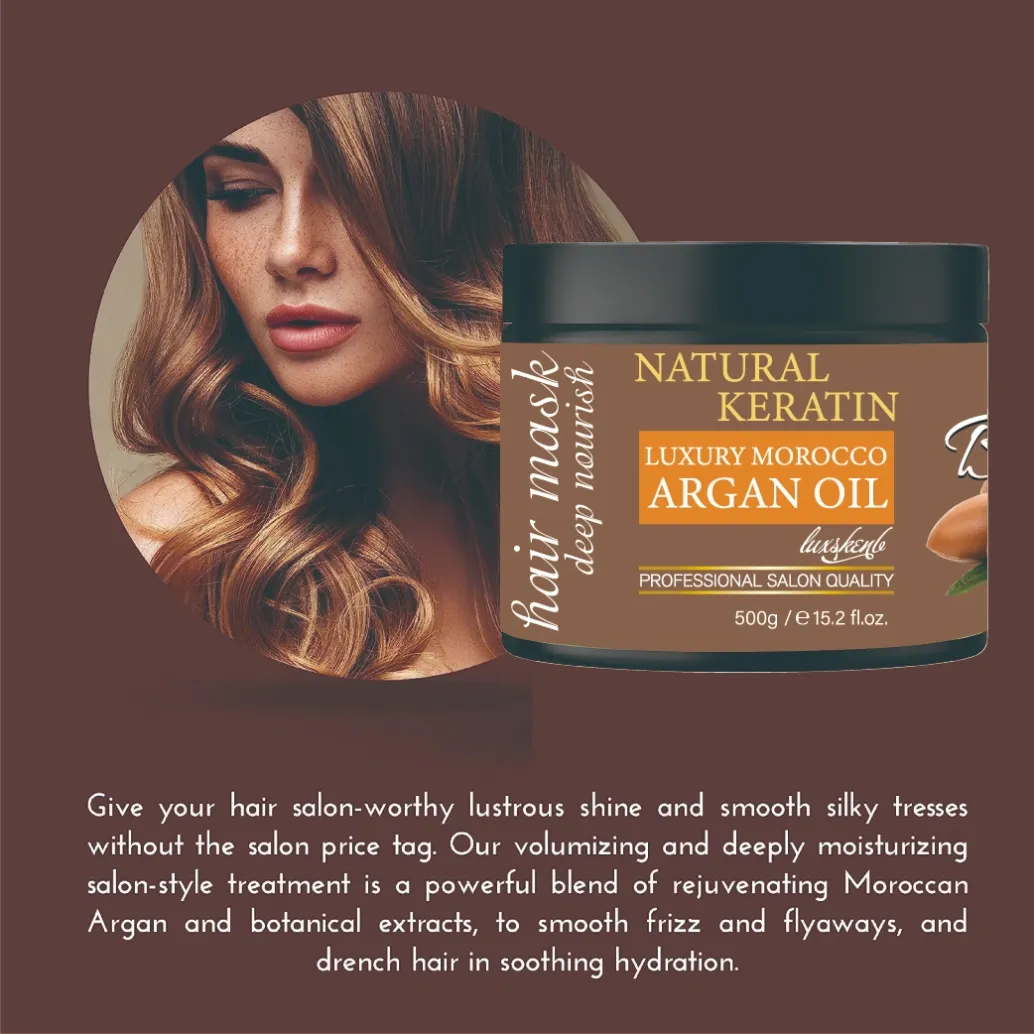
Dry, coarse, curly, color-treated and heat-styled hair often needs more than a rich mask. Buyers are increasingly looking for complete shampoo, conditioner and treatment systems that improve softness and combability while keeping the roots clean and the lengths movable. The challenge is not simply adding more oil or protein. It is creating the right balance across each step.
A collagen, keratin and argan story can be commercially strong because it is easy for consumers to understand, but the finished formula must deliver a modern sensory result. Heavy coating, slow rinsing and flat roots can undermine an otherwise attractive ingredient concept.
What each ingredient story contributes
Hydrolyzed collagen
Hydrolyzed collagen is commonly used as a conditioning and film-forming ingredient. It can support a soft, smoother feel and a premium moisture-repair story. Claims should stay cosmetic and should not imply that the formula permanently rebuilds living tissue.
Hydrolyzed keratin or other proteins
Protein ingredients can support reduced roughness, improved feel and breakage-conscious positioning. More is not automatically better. The type, molecular profile and use level should be evaluated against hair texture and the rest of the conditioning system.
Argan oil
Argan oil provides a familiar shine and nourishment story. In rinse-off formulas, dispersion and deposition matter more than label appeal alone. In leave-on products, the oil level must be controlled to avoid greasy residue, especially on fine or low-porosity hair.
Build the set by function, not by repeating one formula
A good three-step line assigns a different job to every SKU:
- Shampoo: cleanse the scalp and hair while limiting a stripped after-feel.
- Conditioner: deliver fast slip, detangling and daily manageability.
- Mask: provide a richer weekly treatment for porous, chemically treated or textured lengths.
A fourth product can extend the range: a lightweight leave-in milk, anti-frizz serum or heat-care mist. It should complement the rinse-off products instead of adding another heavy layer.
How to prevent heavy buildup
Texture design begins with the target hair type and usage frequency. Fine hair may need lower oil deposition and faster rinsing. Thick, coily or highly porous hair may benefit from stronger conditioning, but the formula should still distribute easily and avoid visible residue.
- Balance proteins with humectants and emollients.
- Choose conditioning agents according to wet-combing and dry-feel targets.
- Adjust oil phase and viscosity separately for shampoo, conditioner and mask.
- Test repeated use, not only a single application.
- Evaluate performance on more than one hair type when the range targets a broad market.
Buyer-focused performance testing
Ask the manufacturer to define what “repair,” “hydration” and “anti-frizz” mean in measurable or observable terms. Useful evaluations may include wet-combing force, dry combing, shine, fiber smoothness, breakage during grooming, humidity response and trained-panel sensory scoring. Stability, microbiological quality and packaging compatibility are also required before scale-up.
For color-treated hair, assess whether the cleansing and conditioning system fits the desired color-care positioning. For heat-styled hair, any heat-protection claim should use a suitable test method rather than relying only on ingredient marketing.
Packaging and size strategy
Retail sets often work well in coordinated 250–500 ml bottles with a 200–300 ml mask jar. Salons and distributors may add 1,000 ml backbar sizes. Pumps, flip caps and jar openings should be selected according to viscosity and local consumer habits.
Keep the front label easy to scan: one main hair need, one clear system name and two or three supported benefits. Overloading the label with every possible ingredient and claim makes the range look less credible.
MOQ and customization
MOQ starts from 100 pcs per SKU for selected stable formulas using in-stock bottles. Custom formulas, colors, fragrances, and packaging are quoted based on project requirements.
When the buyer requires a coordinated custom fragrance, special bottle colors, premium cartons or market-specific testing, the exact project MOQ may be higher. Confirm the formula route and packaging before building the launch forecast.
Buyer FAQ
Can this set be designed for curly and coily hair?
Yes. Conditioning strength, oil level, viscosity and leave-on support can be adjusted for the intended curl pattern, porosity and styling routine.
Can the shampoo be sulfate-free?
A sulfate-free route can be evaluated using alternative surfactants. The final choice should still meet cleansing, foam, rinse and compatibility targets.
Does keratin make the product a straightening treatment?
No. A keratin-containing shampoo or conditioner is not automatically a chemical straightening treatment. The product function depends on the complete formula and directions.
Can we launch different sizes for salon and home use?
Yes. Many brands coordinate retail and backbar sizes, subject to available packaging and order quantities.
What should buyers provide for an accurate quotation?
Share the destination market, target hair type, desired SKUs, sizes, formula preference, fragrance direction, packaging choice and estimated quantity per SKU.
Review a market-ready reference
See our Collagen Keratin Argan Shampoo and Conditioner Set https://www.skinhaircarecosmetic.com/products/scalp-care-collagen-protein-keratin-argan-oil-fluffy-moisturizing-shampoo-conditioner-set for a starting direction. For samples, packaging options and exact project MOQ, contact our OEM/ODM team https://www.skinhaircarecosmetic.com/contact.