
Jul 26, 2026News & Insights
Hair Mask Market Trends 2026 for Private Label Brands
Discover the strongest 2026 hair mask opportunities—from bond repair and fast treatments to premium texture and market-specific positioning.
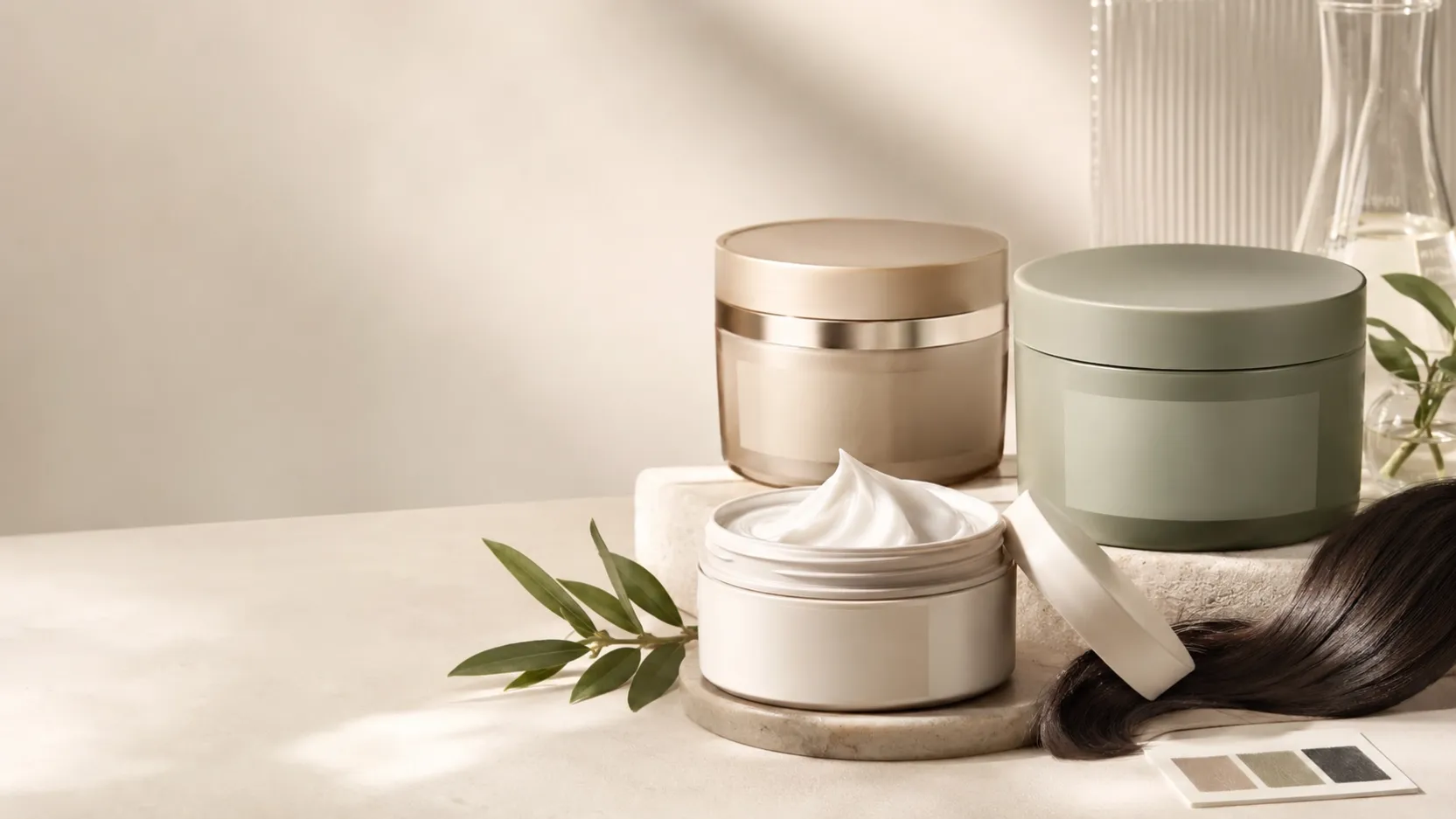
Hair Mask Market Trends in 2026: What Beauty Brands Should Build Next
Hair masks are moving beyond basic moisture toward targeted repair, faster routines, premium sensorial experience and clearer concern-led positioning.
Hair Masks Are Becoming a Strategic Treatment Category
Hair masks are no longer limited to an occasional “deep moisture” claim. Consumers increasingly expect treatments to address a recognizable problem: chemical damage, breakage, frizz, dryness, color stress, heat exposure, curl definition or scalp discomfort.
Industry reporting in 2026 points to stronger growth in treatment and styling products, while scalp care, bond repair, premium sensorial performance and convenient routines continue to shape the wider hair-care category. For private label brands, the opportunity is not to launch another generic mask. It is to build a treatment with a clear user, occasion and reason to repurchase.
1. Bond Repair Is Becoming a Product-System Story
Bond-repair language remains highly visible, especially for damaged, bleached and heat-styled hair. However, brands should avoid relying on one trendy phrase without a credible formula and claims plan.
A stronger commercial strategy connects the mask to a complete routine: gentle cleansing, conditioning, intensive treatment, leave-in protection and heat care. This gives distributors and e-commerce sellers more opportunities to bundle products and raise average order value.
Brand decision: determine whether the mask is the hero treatment or one step inside a coordinated damage-care system.
2. Fast-Acting Masks Fit Real Consumer Routines
Convenience is becoming part of performance. Consumers may want a richer treatment but do not always want a 20- or 30-minute process. Five-minute, three-minute and rinse-off treatment concepts can make masks easier to use regularly.
The formula must still deliver a convincing after-feel. A fast claim without sufficient detangling, softness, slip and rinse experience will not support repeat purchase.
Brand decision: define the usage time, application amount and expected result before finalizing texture and instructions.
3. Scalp-First Thinking Is Expanding the Treatment Space
Scalp care continues to influence product development, but a traditional heavy hair mask is not automatically suitable for direct scalp application. Brands can instead build a complementary treatment architecture:
- Scalp scrub or pre-shampoo treatment for buildup
- Balancing scalp shampoo
- Length-focused repair mask
- Lightweight scalp serum or tonic
This approach separates scalp and strand needs while creating a stronger multi-SKU story. Claims involving hair growth, dandruff or medical conditions require particular regulatory care.
4. Premium Texture and Fragrance Are Commercial Differentiators
As formula claims become more crowded, sensorial experience helps a product feel worth its price. Consumers notice the first scoop, spreadability, slip, fragrance, rinse and dry-hair finish.
Premium does not simply mean a heavier cream. Fine hair, curls, bleached hair and humid-climate consumers need different conditioning balance. A sophisticated mask should match the target hair type and routine instead of maximizing richness for everyone.
Brand decision: approve the fragrance and texture under realistic use conditions, not only by smelling or touching the sample in a meeting.
5. Climate-Adaptive Positioning Creates Regional Relevance
Market conditions change what “good performance” means. In hot and humid Southeast Asian markets, lightweight smoothing and anti-frizz benefits may be more attractive than a very heavy finish. In parts of the Middle East, intensive nourishment, softness, fragrance longevity and protection from dryness can carry more value.
The same formula should not automatically be promoted with the same story in every country. Packaging size, fragrance intensity, usage frequency and benefit hierarchy should be localized.
6. Concern-Led Products Beat Ingredient Lists
Ingredients help consumers understand a formula, but a long list of fashionable extracts is not a positioning strategy. Start with one clear concern and use ingredients to support that story.
- Repair mask for bleached and chemically treated hair
- Lightweight smoothing mask for humid climates
- Curl elasticity and definition mask
- Color-care mask for softness and shine
- Protein-moisture balance treatment for weak-feeling hair
- Premium salon backbar mask with a matching retail size
Avoid combining too many unrelated promises. A product that claims repair, growth, anti-dandruff, color protection, volume and scalp detox at the same time can lose credibility.
7. Packaging Should Match the Sales Channel
Jars remain visually familiar for rich treatments, while tubes, pumps, pouches and professional-size formats can serve different channels. Packaging decisions should consider formula viscosity, consumer convenience, shipping risk, cost and available decoration methods.
- E-commerce: prioritize leak resistance, shipping durability and strong thumbnail recognition.
- Salon: consider backbar sizes, easy dispensing and a coordinated retail version.
- Distributor: balance shelf impact with practical carton and freight efficiency.
- Trial launch: use stock packaging and label design before investing in custom molds.
Three Product Concepts Worth Testing
Concept A: Fast Repair Mask
A 3–5 minute treatment for heat-styled, colored or damaged hair, positioned around softness, detangling, shine and reduced rough feel. Pair it with a repair shampoo and leave-in heat protector.
Concept B: Humidity Defense Mask
A lightweight smoothing mask for Southeast Asian and other humid markets, designed to reduce heavy residue while supporting softness and frizz control.
Concept C: Premium Salon Treatment System
A professional mask in backbar and retail sizes, supported by shampoo, conditioner and serum. This creates service use, home maintenance and bundle-selling opportunities.
How to Turn a Trend into a Repeat-Purchase Product
- Choose one primary consumer and one primary hair concern.
- Define the sales channel and expected retail price before formulation.
- Select a texture and usage time that fit the routine.
- Build compliant claims around realistic cosmetic performance.
- Test fragrance, slip, rinse and dry-hair after-feel.
- Use packaging that fits MOQ, shipping and price positioning.
- Plan the next two products in the system before launch.
What This Means for Private Label Brands
The strongest hair mask opportunity in 2026 is not a single universal bestseller. It is a focused treatment that makes sense for a specific customer, climate and sales channel.
Junchun Cosmetic supports ready-to-label and customized hair masks, along with coordinated shampoo, conditioner, scalp care, serum and styling products. Selected market-ready options can support lower-quantity testing, while semi-custom and fully custom routes provide additional differentiation as the brand grows.
Frequently Asked Questions
Are hair masks still growing in 2026?
Industry forecasts continue to project growth in the hair-mask category, supported by demand for targeted treatments, premium products and e-commerce discovery. Exact market estimates vary widely by research provider.
Which hair mask concept is best for a new brand?
A clear concern-led product—such as fast repair, lightweight anti-frizz or curl care—is usually easier to explain and test than a mask with many unrelated claims.
Should a hair mask be used on the scalp?
Only when it is specifically formulated and instructed for scalp use. Many rich conditioning masks are better applied to the hair lengths.
Can I start with a stock jar and upgrade later?
Yes. Stock packaging can reduce entry risk. Custom colors, decorations or exclusive components can be introduced after sales are validated.
Selected Industry Sources
- BeautyMatter, “The Haircare Trends Set to Define 2026” (2026): https://beautymatter.com/articles/the-haircare-trends-set-to-define-2026
- Croda Beauty, “Hair Care Trends 2026” (2026): https://www.crodabeauty.com/en-gb/resources/blog/hair-care-trends-2026-the-best-way-to-respond-to-consumers-contradictions
- INolex, “Hair Care in 2026: The New Standards Reshaping the Category” (2026): https://www.inolex.com/learn/beautyfood/hair-care-in-2026-the-new-standards-reshaping-the-category
- Mordor Intelligence, “Hair Mask Market Size and Share” (2026): https://www.mordorintelligence.com/industry-reports/hair-mask-market
Develop a Hair Mask Concept for Your Market Tell Junchun Cosmetic your target country, consumer, sales channel, expected quantity and price range. We can recommend a ready-to-label, semi-custom or fully custom hair mask development route. |