
Sep 14, 2026News & Insights
Lightweight Bond Repair for Curly and Coily Hair OEM: Slip, Elasticity and Buildup Testing
An OEM buyer guide to lightweight bond-repair leave-in care for curly and coily hair, covering slip, elasticity, residue, inclusive testing, claims, packaging and MOQ.
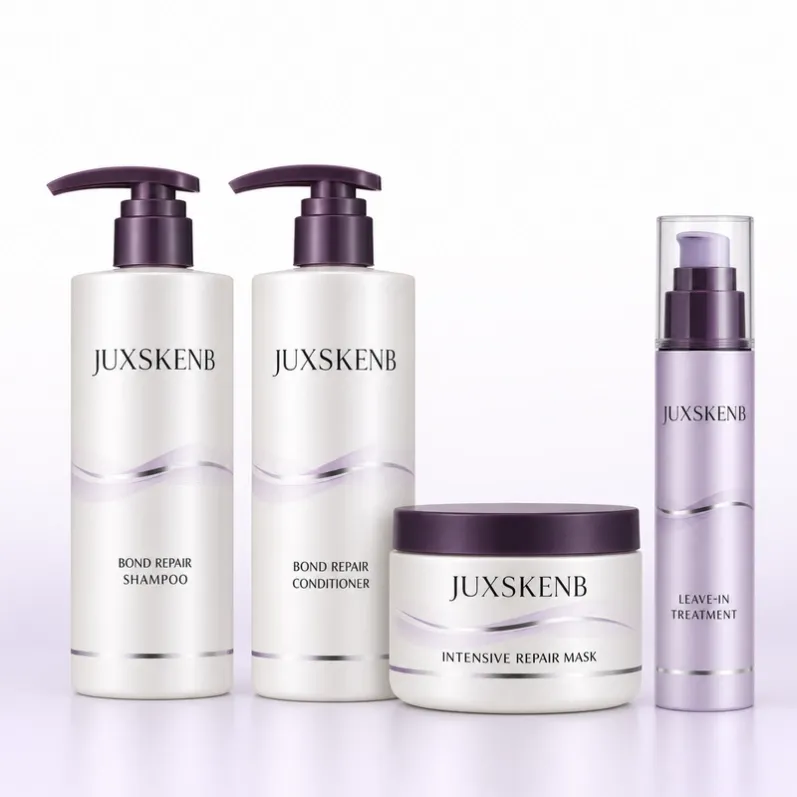
Professional repair products are increasingly being evaluated across straight, wavy, curly and coily hair rather than being positioned for one narrow texture group. The opportunity for an OEM buyer is a lightweight leave-in repair mask that supports detangling and styling without leaving curls stiff or coated. The brief must balance slip, elasticity, definition and repeated-use buildup.
Start With Hair Condition, Not Ethnicity
Define whether the target hair is bleached, heat-styled, relaxed, highly porous, fine or dense. Two consumers with the same curl pattern can have very different conditioning needs. A useful product brief separates damage level, porosity and desired finish, then creates usage guidance for different application amounts.
Set a Lightweight Repair Benchmark
The finished product should spread quickly through damp hair and support sectioning without feeling waxy. Buyers can compare a light cream, milk or serum-emulsion texture. Key checkpoints include wet slip, dry softness, curl movement, residue at the roots and compatibility with gel, mousse or heat styling used later in the routine.
Test Slip and Breakage-Conscious Combing
Use standardized tresses with the same wash history and product dose. Measure combing force where possible, and record the number of passes needed to detangle. Visual demonstrations can support sales training, but they should not be presented as proof of permanent repair. Repeat the test after several uses to identify coating or loss of bounce.
Evaluate Elasticity and Curl Return
After treatment, compare stretch, breakage during handling and curl return on wet and dry swatches. A formula that feels very soft may still flatten fine curls, while a strong protein story may feel rigid on some hair. Salon panel feedback should include multiple textures and damage levels before the usage instructions are finalized.
Choose Formula Stories That Match the Evidence
Peptides, amino acids, hydrolyzed proteins, conditioning polymers and selected oils can support a repair-care story. Final INCI, levels and claims depend on the approved formula. Avoid saying that a product permanently rebuilds every bond or reverses all damage unless the exact finished formula has suitable substantiation.
Packaging and Use Method
A 100–150 ml tube or pump is practical for leave-in masks and repair creams. The dose should be easy to control for fine, medium and dense hair. Test pump output, tube recovery, leakage, hot-climate storage and label durability. Instructions should explain whether the product is used on damp hair, dry ends or before heat styling.
MOQ and Inclusive Launch Planning
MOQ starts from 100 pcs per SKU for selected stable formulas using in-stock bottles. Custom formulas, colors, fragrances, and packaging are quoted based on project requirements. Buyers can begin with one tested leave-in repair SKU and expand to shampoo, rinse-off mask or serum after receiving structured feedback.
Buyer FAQ
Is bond repair only for straight or bleached hair?
No. Damaged curly and coily hair can also use repair-focused care, but formula weight, slip and styling compatibility must be tested for the intended textures.
Can the product be silicone-free?
A silicone-free route can be evaluated. The buyer should compare detangling, frizz control, residue and humidity performance before deciding.
How many hair types should be tested?
Use a practical panel that covers the main target textures, porosities and damage conditions rather than relying on one swatch.
Contact: Contact our professional OEM/ODM team for complete project support.
Private Label Molecular Bond Repair Leave-In Mask | Low MOQ OEM