
Jul 28, 2026News & Insights
Private Label Hair Gloss and Color Refresh Products
Discover private label opportunities in clear hair gloss, tinted gloss and color-refresh treatments for salons, Amazon sellers and beauty brands.
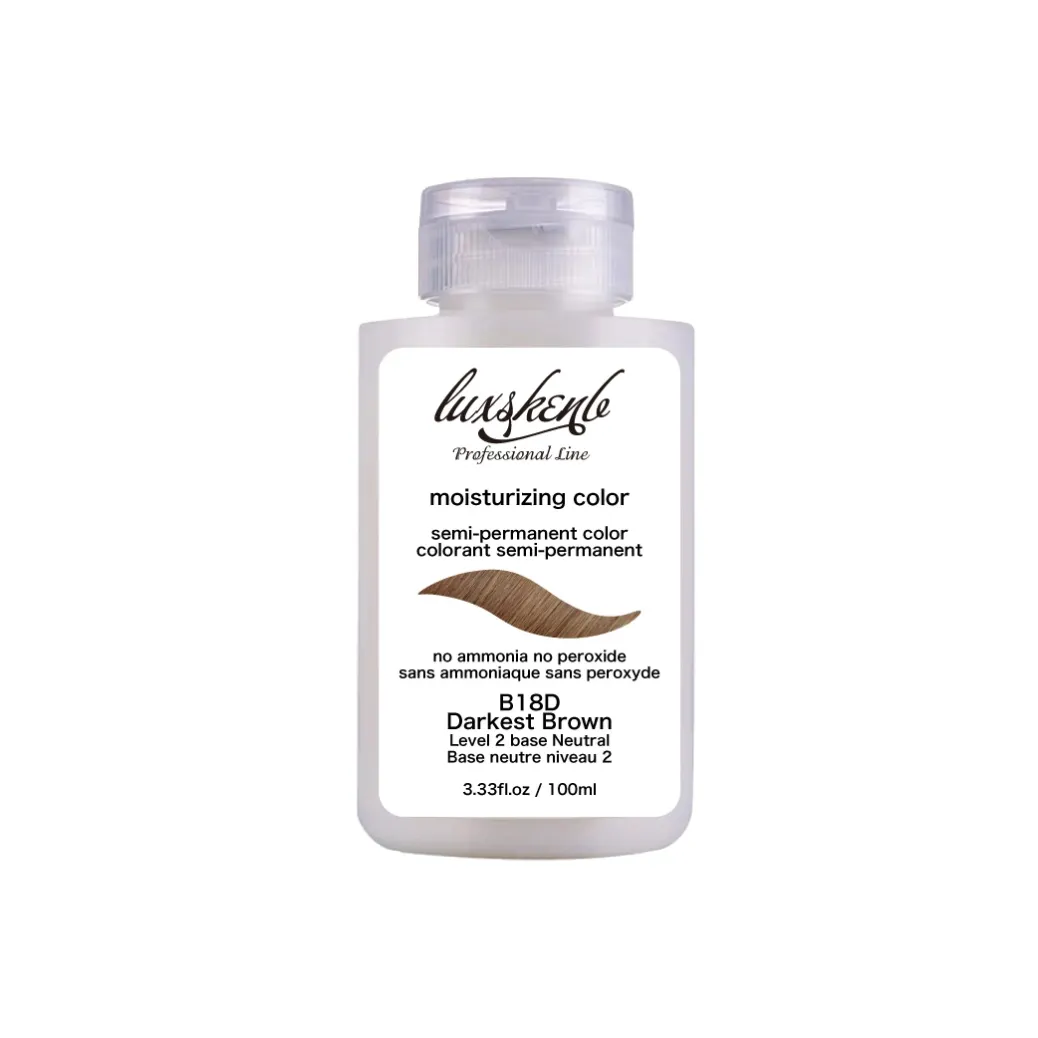
At-Home Hair Gloss and Color Refresh: Private Label Opportunities for 2026
Consumers still want dimensional, glossy hair color, but many also want to reduce the visible gap between salon appointments. This creates a commercial space between permanent hair dye and ordinary conditioner: products that refresh tone, improve shine or help maintain the appearance of colored hair.
Current editorial coverage of summer 2026 blonde trends includes honey blonde, softer Scandinavian blonde and halo-style highlights. These looks rely on dimension and shine rather than a single flat color. See the summer 2026 color discussion.
A third-party search-trend service has also identified growing interest in terms connected with hair gloss and semi-permanent color. This is not official Google Trends data, but it is a useful directional signal when combined with retail assortment and salon activity. Review the third-party trend report.
Similarly, third-party Amazon assortment tracking shows active competition around glaze and hair-gloss products. Its estimated figures should not be treated as official Amazon sales, but the variety of listings demonstrates that the format is commercially established. View the third-party category report.
The Consumer Problem Behind the Trend
Permanent color requires commitment, careful application and ongoing root maintenance. An ordinary hair mask may improve softness but cannot always address unwanted warm, yellow or faded-looking tones.
A color-refresh line can target the space between those two products. Depending on the formula, it may be positioned to:
- Add visible shine
- Refresh the appearance of faded color
- Deposit a temporary tone
- Reduce the appearance of unwanted brassiness
- Improve softness and manageability
- Support an between-salon color routine
Brands must clearly distinguish a clear gloss, a tinted conditioning treatment and oxidative hair color. These are not interchangeable product categories, and their directions, warnings and regulatory requirements may differ.
Recommended Launch Architecture
A new brand does not need to launch ten shades at once. A focused collection is usually easier to explain, stock and advertise.
A practical first launch could include:
- Clear Shine Gloss Designed for consumers who want a glossier, smoother-looking finish without adding a strong color tone.
- Cool Blonde Tone Refresh Intended for blonde or highlighted hair that needs help maintaining a cooler-looking appearance.
- Warm Honey or Copper Refresh Designed around the continuing interest in warm, dimensional color.
The exact shade names and performance statements should be based on sample evaluation. Terms such as “repairs all color damage,” “permanent results” or “works on every starting shade” should be avoided unless substantiated.
Format Selection
A bottle or tube can work for gloss products, but the ideal format depends on viscosity and application method.
A squeeze tube offers controlled application and familiar mask-like usage. A pump bottle may look more premium but must dispense the formula consistently. Single-dose sachets can support sampling, salon trials or promotional campaigns, although they may not suit every brand’s sustainability goals.
The directions should answer four questions clearly:
- Is the product applied to wet, damp or dry hair?
- Should gloves be worn?
- How long should it remain on the hair?
- How often should it be used?
Tinted products should also include appropriate warnings and recommend a strand test according to the final formula and destination-market requirements.
Commercial Positioning by Customer Type
Salon brands can position gloss products as maintenance between appointments. The salon professional introduces the shade, while the customer repurchases the home-care product.
Amazon sellers should build detailed shade charts and application instructions. Product photography must not imply that every user will achieve the same color result.
Distributors can select shades based on regional color preferences instead of carrying a large universal shade range.
Social-commerce brands can use transformation content, but models’ starting hair colors, processing times and lighting conditions should be disclosed. Transparent demonstrations build more trust than exaggerated comparisons.
Product Development Recommendations
Start with the consumer’s desired result, not a fashionable ingredient. A useful development brief should specify:
- Starting hair colors
- Intended tone direction
- Desired deposit intensity
- Processing time
- Fragrance preference
- Conditioning level
- Whether gloves are recommended
- Packaging size and application method
- Target retail price
- Destination market
Evaluate samples on more than one hair swatch or model when possible. A shade that looks subtle on dark hair may appear much stronger on light or porous hair.
Brands should also decide whether the product is meant to deliver a visible temporary tone or mainly enhance shine. Trying to promise both dramatic color change and effortless universal application can create confused positioning.
Building a Broader Color-Care Routine
The gloss or color-refresh treatment can lead a coordinated range:
- Color-care shampoo
- Lightweight color-care conditioner
- Weekly clear or tinted gloss
- Leave-in smoothing spray
- Heat-styling serum
This routine gives the customer a reason to repurchase more than one SKU without forcing every product to contain pigment.
FAQ
Is hair gloss the same as permanent hair dye?
No. Depending on the formula, a gloss may primarily enhance shine or temporarily deposit tone. Permanent oxidative color is a different product category.
How many shades should a new brand launch?
A clear gloss and two or three commercially relevant tones can provide a manageable starting point. Additional shades can follow after customer feedback.
Can one shade work on every hair color?
Results depend on the starting shade, porosity and previous chemical treatment. Brands should provide realistic shade guidance.
Does “color refresh” mean damage-free?
No product should automatically be described as damage-free. Claims must reflect the final formula, application method and supporting evidence.
Create a Private Label Hair Gloss Collection
Guangzhou Junchun Cosmetics can support clear gloss, tinted conditioning treatments and coordinated color-care products. Selected market-ready formulas with stock packaging may start from 100 pieces per SKU, while custom development and specialized packaging can require different quantities.
With 28 production lines, our team can help evaluate format, shade direction, application instructions and packaging. Lead time is confirmed after the formula, packaging and order details are approved.