
Jul 29, 2026News & Insights
Private Label Scalp-to-Strand Conditioner for K-Haircare
Learn how brands can develop lightweight scalp-to-strand conditioners inspired by Korean hair-care routines without relying on medical or hair-growth claims.
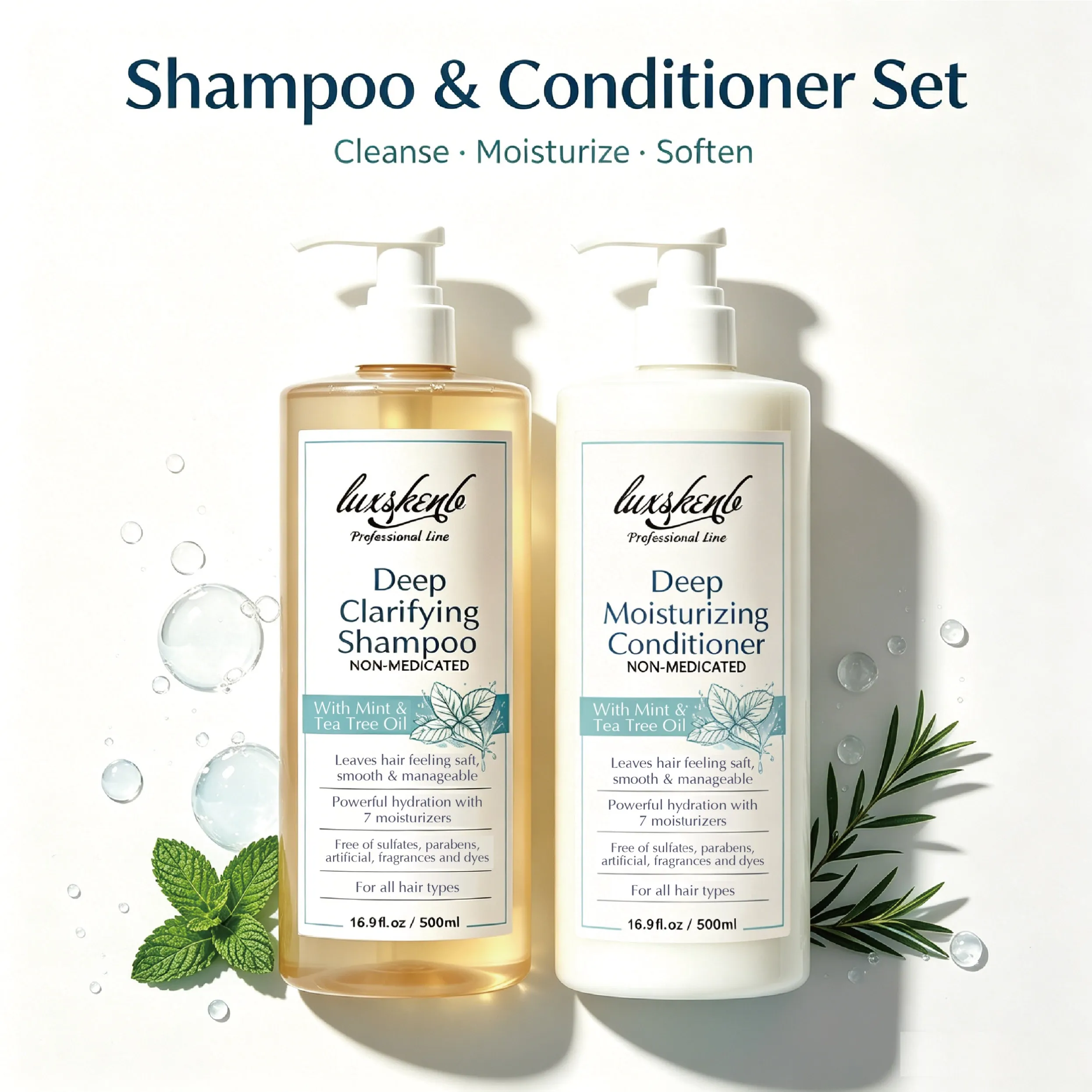
Scalp-to-Strand Conditioner: The Private Label Opportunity Behind K-Haircare
Conditioner has traditionally been treated as a simple second step after shampoo. Korean hair-care routines are helping reposition it as a more carefully targeted product, with different textures and application methods for the scalp, roots, lengths and damaged ends.
On July 29, 2026, ELLE published a guide to Korean conditioners, emphasizing skincare-inspired product design and the importance of matching application to formula type. Rich oil-based conditioners were recommended mainly for mid-lengths and ends, while specifically designed scalp conditioners could be applied closer to the roots. Read ELLE’s July 29 guide.
This does not mean every conditioner should be applied to the scalp. It shows that brands can build clearer product segmentation instead of selling one heavy formula as suitable for every hair type and application area.
A separate July 2026 third-party Amazon analysis tracked 130 products connected with “Korean shampoo and conditioner.” Its estimated sales figures are not official Amazon data, but the assortment indicates that Korean-positioned wash-care systems are competing in the US marketplace. View the third-party category analysis.
The Opportunity Is Application Precision
The most commercially useful lesson from K-haircare is not to add a fashionable ingredient and print “Korean technology” on the label.
The better opportunity is to design products around precise consumer situations:
- Oily roots with dry ends
- Fine hair that is easily weighed down
- Chemically treated lengths
- Frequent washing
- Dry-feeling scalp
- Hair requiring fast detangling
- Consumers seeking a more refined sensory routine
A conditioner intended for the scalp must be evaluated differently from a rich treatment designed for bleached ends.
Recommended Two-Conditioner System
Instead of forcing one formula to perform every job, brands can create two complementary products.
1. Lightweight Scalp-to-Strand Conditioner
This product is intended for consumers who want softness and detangling without an excessively heavy finish.
Development objectives may include:
- Lightweight distribution
- Easy rinsing
- Reduced coated after-feel
- Suitable application guidance for roots or scalp
- Improved wet combing
- Softer, more manageable hair
- Fresh, clean fragrance
- Packaging suitable for frequent use
Whether it should actually be massaged into the scalp depends on the approved formula. The label must match the product’s intended use.
2. Intensive Lengths Treatment
A richer rinse-out treatment can focus on mid-lengths and ends. This gives dry, curly, bleached or frequently styled hair a more concentrated conditioning option.
The two products can be explained simply:
- Daily or frequent-use lightweight conditioner
- Weekly intensive treatment for lengths and ends
This structure is easier to understand than a single product claiming to be simultaneously weightless, extremely rich and suitable for all hair types.
Skincare-Inspired Ingredient Direction
Possible ingredient stories include:
- Panthenol
- Niacinamide
- Glycerin
- Hyaluronic-acid derivatives
- Amino acids
- Ceramide-inspired conditioning systems
- Rice protein
- Green tea extract
- Fermented botanical extracts
The ingredient should serve the formula rather than become an unsupported medical claim.
For example, hyaluronic acid can support a moisture-focused story, but the product should not claim to repair structural hair damage solely because it contains a familiar skincare ingredient. Niacinamide should not automatically lead to hair-growth or anti-hair-loss claims.
PDRN is appearing in Korean hair-care marketing, including several 2026 brand launches. However, brands should be especially cautious about presenting a cosmetic rinse-off product as regenerating follicles or treating hair loss. Ingredient origin, regulatory status and claim support must be evaluated for each destination market.
Packaging and Visual Positioning
Korean-inspired hair care often benefits from clean, precise packaging rather than heavily decorated salon graphics.
Practical options include:
- 300–500 ml pump bottle for lightweight conditioner
- 200–300 ml tube for intensive treatment
- 20–30 ml sample or travel sachet
- Coordinated shampoo and conditioner pump set
- Professional-size bottle for salons
The lightweight conditioner and intensive treatment should use related colors but remain easy to distinguish. For example:
- Pale blue or green for the lightweight product
- Soft cream or lilac for the richer treatment
- Fine black typography across both products
Avoid Korean characters unless they are correct, legally appropriate and relevant to the actual brand story. A product manufactured in China should not be presented as manufactured in Korea.
Commercial Positioning by Channel
Amazon sellers can use texture comparisons, application diagrams and clear hair-type guidance. The listing should answer whether the conditioner belongs on the scalp or only on the lengths.
Salons can pair the lightweight conditioner with frequent wash services and the richer treatment with color or chemical-service maintenance.
Warm-climate distributors may prioritize quick rinsing, lightweight feel and fresh fragrance.
TikTok sellers can demonstrate half-head conditioning, comb-through performance and the difference between a daily conditioner and a weekly treatment.
Beauty importers can position the line as skincare-inspired hair care without relying on unverified Korean origin claims.
Product Evaluation Checklist
During sampling, assess:
- Wet detangling
- Rinse speed
- Dry softness
- Root volume after drying
- Residue after repeated use
- Performance on fine and thick hair
- Fragrance after rinsing
- Bottle dispensing
- Formula stability
- Compatibility with color-treated hair, where relevant
A formula can feel excellent during rinsing but leave fine hair flat after drying. Both wet and dry evaluation matter.
FAQ
Can every conditioner be applied to the scalp?
No. Only products specifically formulated and directed for scalp application should be used that way.
Does a skincare ingredient make the conditioner a scalp treatment?
Not automatically. The complete formula, intended use and evidence determine the product’s positioning.
Should a brand launch both conditioners together?
A lightweight conditioner can launch first. The intensive lengths treatment can be added to create a complete system.
Can the product be described as Korean-made?
Only if it is actually manufactured in Korea. “Korean-inspired routine” and “made in Korea” are not the same statement.
Create a More Precise Conditioner Range
Guangzhou Junchun Cosmetics can support lightweight conditioner, rinse-out treatment, shampoo and coordinated hair-care OEM/ODM projects across 28 production lines.
Selected market-ready formulas with compatible stock packaging may start from 100 pieces per SKU. Custom formulas, specialized active ingredients and custom packaging are evaluated separately.
Production timing is confirmed after formula, packaging, artwork and order requirements are approved.