
Jul 29, 2026News & Insights
Private Label Solid Shampoo and Conditioner Bars
Explore private label solid shampoo and treatment-bar development, including performance, storage, packaging and Amazon positioning.
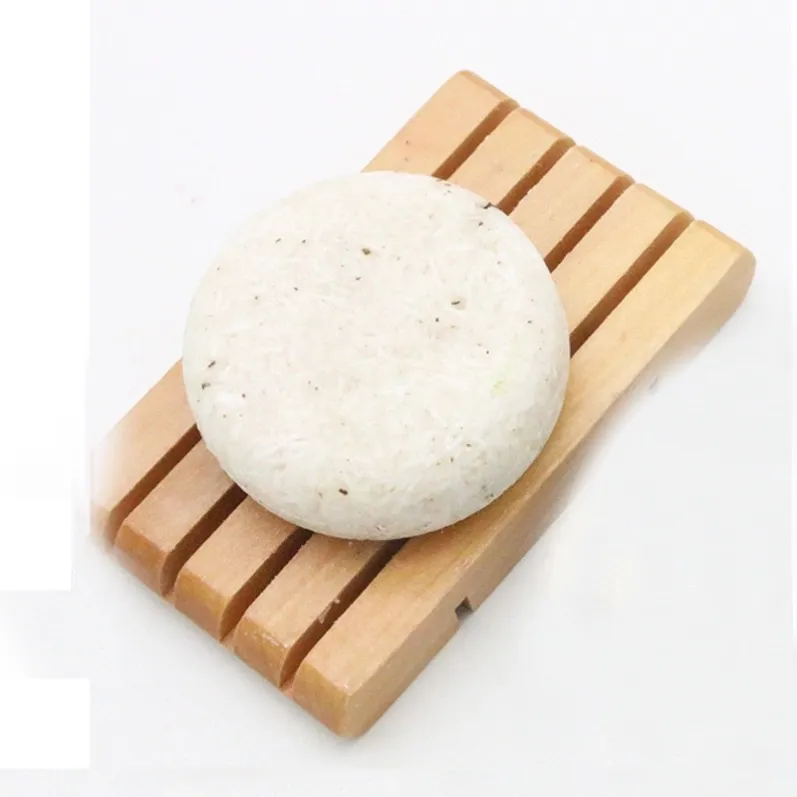
Solid Shampoo and Treatment Bars: A Private Label Opportunity Beyond Plastic-Free Claims
Shampoo bars are easy to describe as sustainable, compact and travel-friendly. However, sustainability alone does not guarantee repeat purchase.
Consumers still judge the product by cleansing, lather, rinse quality, hair feel and ease of storage. A bar that leaves the hair rough or becomes soft and messy in the shower may not earn a second order, regardless of its packaging story.
An April 2026 Allure analysis examined this challenge directly. The article noted that shampoo bars offer waterless and low-packaging advantages but continue to face resistance because some users experience dryness, frizz, inconvenient storage or poor formulation. Its central conclusion was that solid products must match the performance of liquid hair care to become mainstream. Read Allure’s category analysis.
More recently, Korean brand TOUN28 announced in June 2026 that it was expanding internationally through Amazon with shampoo and treatment bars positioned around specific concerns, including volume, wave definition, strengthening and purple toning. This is a company launch announcement rather than independent market-size evidence, but it illustrates the category’s shift from generic “eco shampoo” toward targeted treatment systems. Read the June launch report.
The Opportunity Is Performance-Led Solid Care
A new brand should not begin with the message “one bar for everyone.” Hair needs are too different.
A clearer initial collection could include:
- Moisturizing shampoo bar
- Lightweight conditioner bar
- Color-care or purple toning bar
- Clarifying bar for occasional use
- Travel tin or draining storage dish
The shampoo bar and conditioner bar should remain separate unless a genuine two-in-one formula delivers an acceptable result. Combining cleansing and conditioning into one bar may simplify the routine but can also weaken both functions.
Shampoo Bar Is Not Ordinary Soap
A syndet or surfactant-based shampoo bar can be designed differently from traditional alkaline soap.
Consumers may not understand the chemistry, but they recognize the result. An unsuitable bar may leave hair rough, tangled or coated.
The development brief should address:
- Intended cleansing strength
- Target pH
- Lather speed
- Rinsing in hard and soft water
- Bar hardness
- Resistance to cracking
- Drying between uses
- Fragrance retention
- Hair feel after repeated washing
- Color-treated-hair suitability, if claimed
A product should not be described as pH-balanced, sulfate-free, color-safe or suitable for sensitive scalp unless the final formula supports the statement.
Recommended Two-Bar Starter Set
1. Moisturizing Shampoo Bar
This can target normal-to-dry hair and consumers who want a compact alternative to bottled shampoo.
Development goals may include creamy lather, easy distribution at the roots, clean rinsing and reduced rough after-feel.
The directions should explain whether the customer should rub the bar between wet hands or glide it directly over the hair. Clear instructions can prevent overapplication.
2. Smoothing Conditioner Bar
Conditioner bars often require more consumer education than shampoo bars. The customer must understand how to transfer enough product to the wet hair.
Important objectives include:
- Smooth glide
- Easy transfer
- Wet detangling
- Manageable rinse time
- Soft finish
- Bar stability in the shower
A demonstration video should show the real amount of product and application time rather than implying that one quick pass conditions long, thick hair.
Why Storage Is Part of Product Performance
A wet bar left in standing water can soften, lose shape and be consumed too quickly. This creates a poor customer experience even if the formula itself is good.
Possible accessories include:
- Aluminum travel tin with drainage insert
- Soap dish with raised channels
- Sisal drying bag
- Paperboard outer carton
- Reusable storage case
A fully closed travel tin is useful only after the bar has dried. Packaging instructions should explain this.
For e-commerce, a starter kit containing shampoo bar, conditioner bar and storage case may be more commercially attractive than one unprotected bar.
Amazon Category Caution
A July 2026 third-party Amazon report tracked 144 products for “shampoo bars.” However, its results also included products that were not clearly hair shampoo bars. This demonstrates an important limitation of third-party keyword tools: estimated sales and product classification can contain noise. View the third-party report.
Brands should therefore verify actual competing listings manually instead of copying category totals.
Accurate product titles should distinguish:
- Solid shampoo
- Conditioner bar
- Soap-based hair cleanser
- Shampoo and conditioner set
- Multipurpose body-and-hair bar
Precise listing language improves customer understanding and reduces the risk of attracting buyers looking for a different product.
Claims and Sustainability Communication
Avoid automatically claiming that one bar replaces a specific number of bottles. Actual usage depends on bar weight, hair length, washing frequency, storage and formula performance.
Similarly, “zero waste” may be inaccurate if the product uses labels, coatings, shipping materials or accessories.
Safer factual communication could include:
- Solid, concentrated format
- Plastic-free outer carton, when true
- Compact for travel
- No liquid-spill risk
- Reusable storage case, when provided
- Bar weight and realistic usage instructions
Environmental comparisons should be supported by evidence if they become central advertising claims.
FAQ
Is shampoo bar the same as ordinary soap?
Not necessarily. Many modern shampoo bars use hair-cleansing surfactants rather than a traditional soap base.
Can a bar be used on color-treated hair?
Only when the final formula has been developed and evaluated for that intended use.
Why does a conditioner bar feel difficult to apply?
Transfer depends on formula hardness, water temperature, application method and hair type. Directions and demonstration content are important.
Can solid products start at 100 pieces?
Do not assume this. Solid-bar manufacturing, molds, packaging and formula requirements must be evaluated separately.
Evaluate a Solid Hair-Care Project
Guangzhou Junchun Cosmetics operates 28 production lines across its hair-care manufacturing activities. Solid-format feasibility, formula options, tooling, packaging and minimum order requirements must be confirmed for each project before quotation.
Where selected market-ready formulas and compatible stock packaging are available, some projects may start from 100 pieces per SKU. This should not be applied automatically to solid bars or custom molds.
Production timing is confirmed after formula feasibility, packaging, artwork and order requirements are approved.